Three nervous systems under one roof
Elephant, Mouse and Snake. No good or bad temperament — just three different survival strategies.
When these systems meet in a shared space without understanding, their alarm goes off again and again. Here is a practical look at where such a family clashes and how to set rules so that everyone can breathe.

Every family member runs on different hardware.
In the neuroarchetype model, there are no “good” or “bad” temperaments. Nor is it about who is right. When three different systems try to live by one setting, their alarm systems keep going off — triggers.
Three systems at the level of the autonomic nervous system
Elephant
Massive hardware that can handle enormous pressure, but needs firm order, predictability and control.
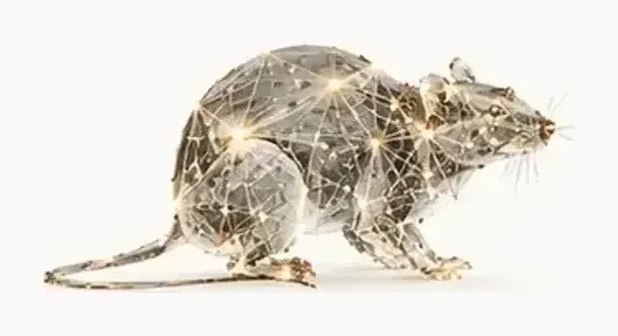
Mouse
A small, extremely sensitive radar. Her nervous system constantly maps the terrain and picks up tension in the air and other people's moods before anyone else notices.
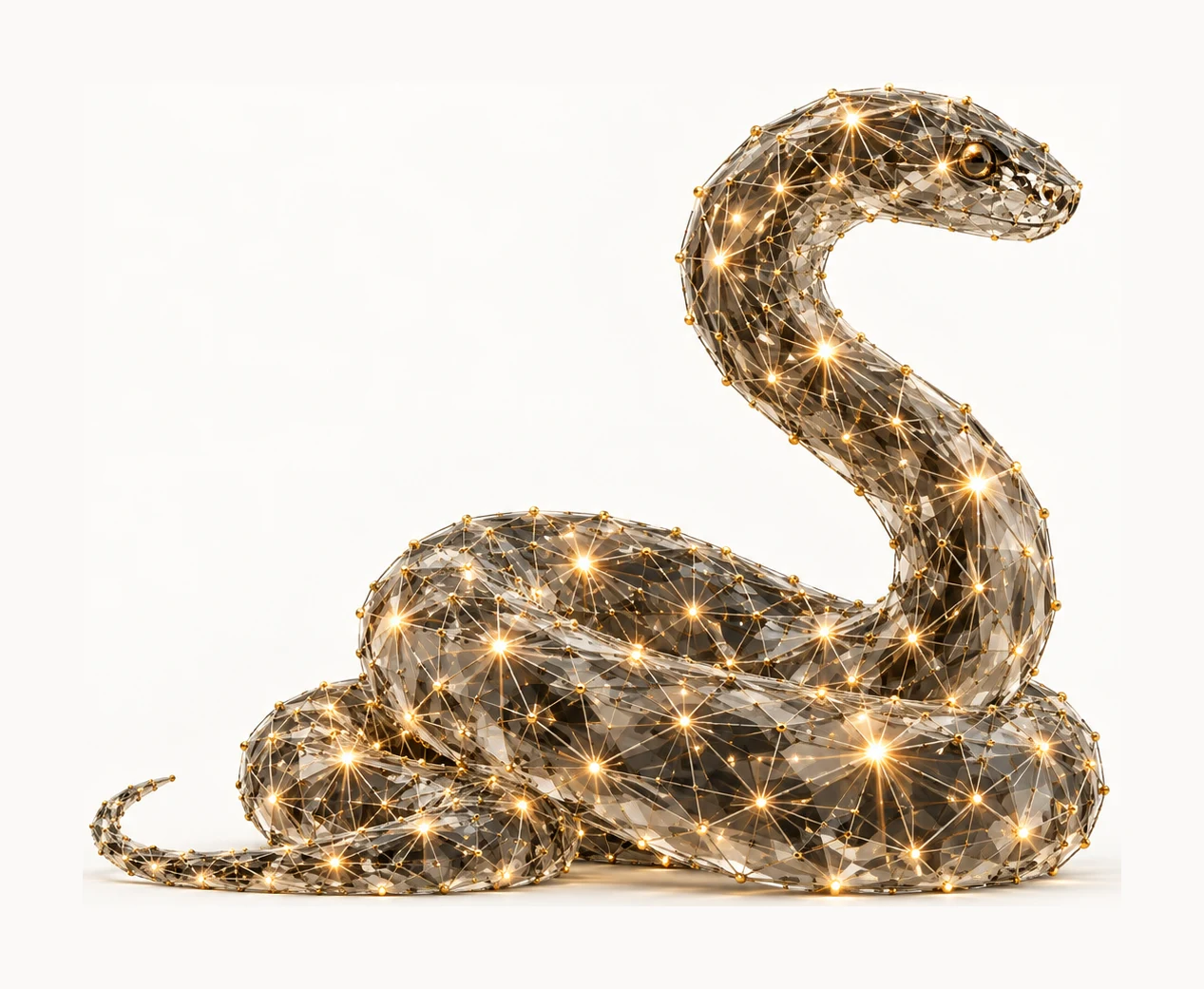
Snake
Hidden, undulating movement. The Snake needs calm, space for his own world and absolute truthfulness.
Three pairs, three loops
Nobody does it on purpose. Each system simply defends itself in its own way — and in doing so, unintentionally sets off the alarm in the other.
Elephant and Mousepressure for control × scanning details
The Elephant needs calm and an unchanging structure, but the Mouse, with her constant scanning and pointing out “cracks in the system”, unintentionally irritates his fear of failure. The Elephant responds with coldness and a stamp of the foot, which triggers panic in the Mouse and an urge to “manage” him — to give him instructions for life. But that takes away his strength, and the Elephant closes off into an even deeper freeze.
Elephant and Snakeraw force × snake intuition
The Elephant demands obedience and the “honour of the family structure”. The Snake, however, has a built-in perfect lie detector and immediately senses where something in the family is off, where there is falseness. When the Elephant pushes, the Snake pushes back or disconnects. The Elephant sees it as insolence and an attack on authority; the Snake sees the Elephant as a dangerous predator who does not see him.
Mouse and Snakecare × protecting space
The Mouse tends to take care of everything and control everything — out of fear, so that there is peace. But the Snake cannot stand anyone crawling into his burrow and violating his autonomy. The Mouse's excessive care can suffocate the Snake.
What helps each of them
It is not about who has to change. It is about each one stopping interfering with the other's setting.
ElephantWhat helps the Elephant
- Stop punishing with coldness.His strongest weapon is silence and frosty dominance. For the sensitive Mouse and Snake it is like poison — their nervous systems register it as a threat. It helps to say:
I'm overloaded right now, I need to step away for a while.
- Don't mistake honesty for an attack.The Snake and the Mouse see the truth before he does. When they point it out, it is not an attack on his worth, but a radar that helps him survive.
MouseWhat helps the Mouse
- Let go of control and “instructions for life”.Stop trying to manage the Elephant and make him happy. The Elephant's state and his happiness are not her responsibility.
- Give space to her own body.Instead of constantly scanning the surroundings (is the Elephant content?), withdraw into her own burrow and take care of her own breath and her own happiness.
SnakeWhat helps the Snake
- From others: a safe territory.The Snake needs calm and respect for his boundaries. There is no point pushing him into social or family structures that do not feel truthful.
- From himself: communicate without venom.Even with his great intuition, his sharp stance can needlessly irritate the other systems. Mutual respect rests on a quiet, direct agreement, not on a hidden fight.
How to get along best
Space instead of pressure
Tight spaces suffocate the Elephant, and the Mouse and the Snake need a burrow to hide in. The foundation is generous physical and psychological space. Nobody in the family should feel trapped in a cage.
Movement as a valve
All three archetypes suffocate in stagnation. When tension rises, movement outdoors helps — a walk in nature, up a hill, to the water. Moving forward brings oxygen to the brain and helps flush out excess adrenaline.
Keep the adult world separate
For the son's wellbeing it is key that he is not drawn into the partner dynamics between his parents. He must not carry the weight of the adults' relationship mistakes.
Respect in a family means not interfering with the other's evolutionary setting. Once the systems stop forcibly remaking each other, they also stop triggering each other.
Which systems live in your family?
In the Individual Analysis we discover your neuroarchetype — how your nervous system processes pressure, what triggers it and what brings it back to calm. Then it becomes much easier to understand the people you live with, too.
This family example is for illustration. Neuroarchetypes are a model for better understanding yourself and others; they do not replace psychological or medical care.